
The Hunger Project
Food Security
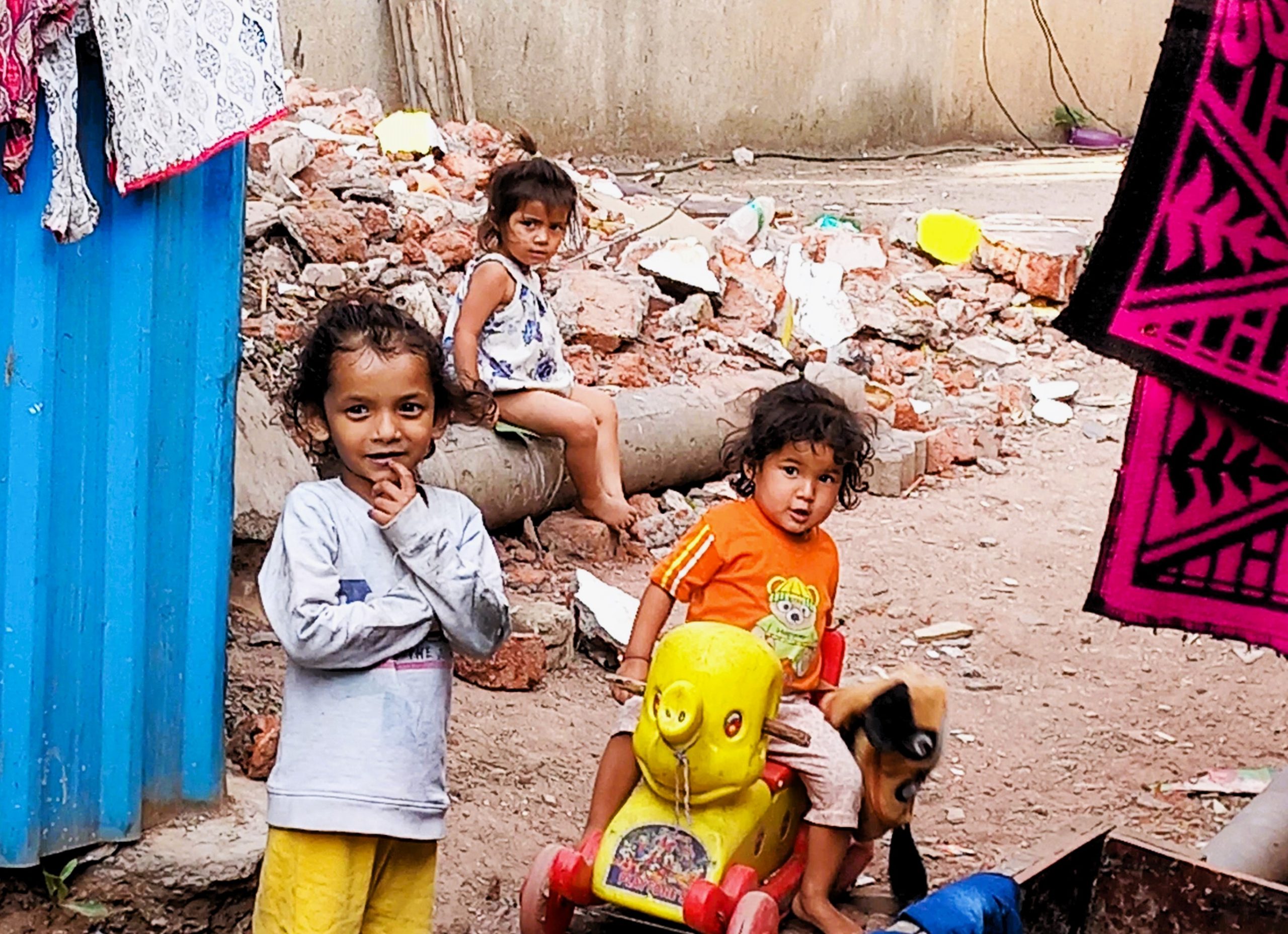
About 80 to 90% of kids attending GharShala, upon being asked about their daily meals, confirmed that their meals include dal roti or dal rice at times, merely spice and rice, indicating that they have not had nutritious meals regularly.
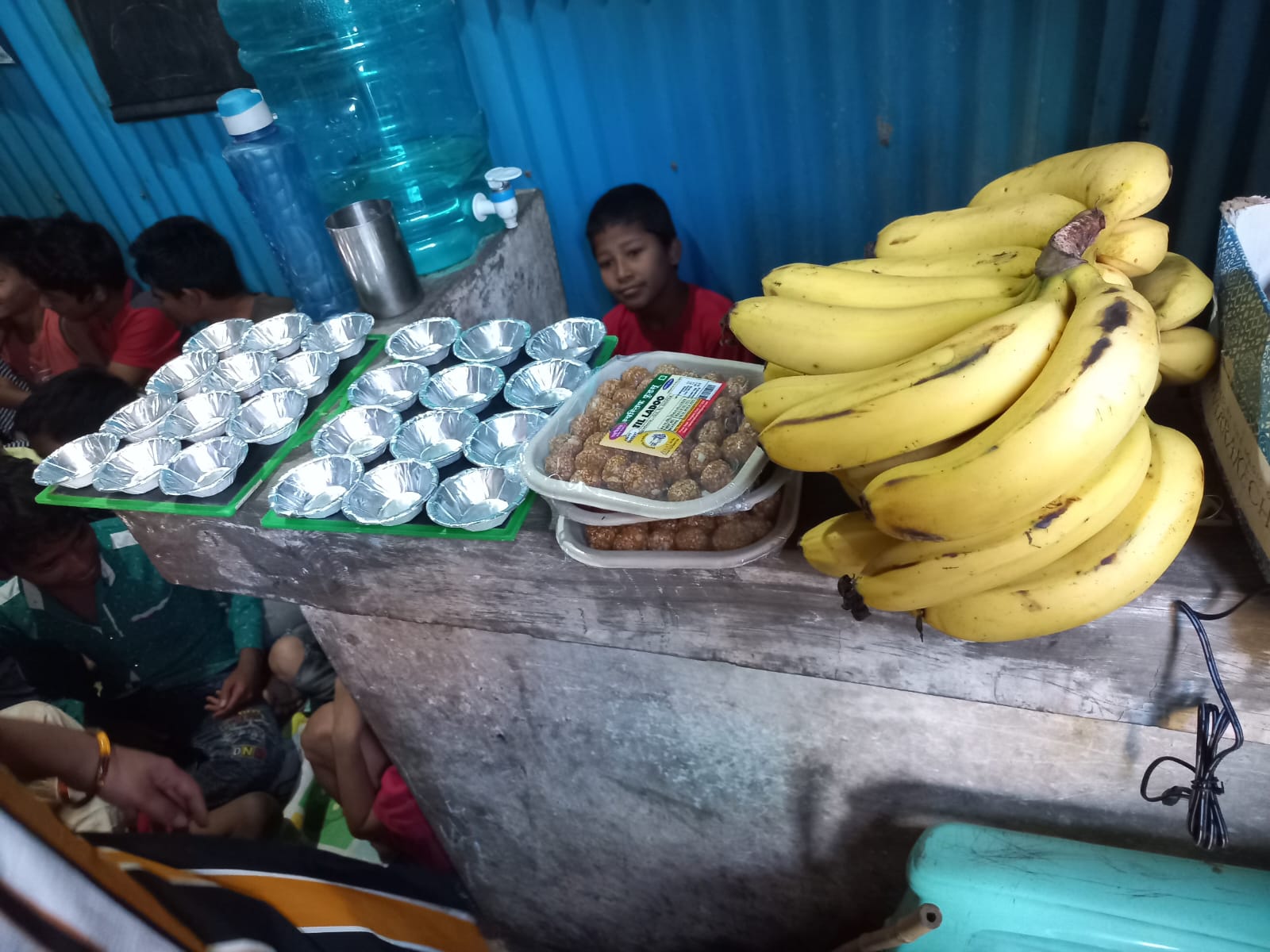
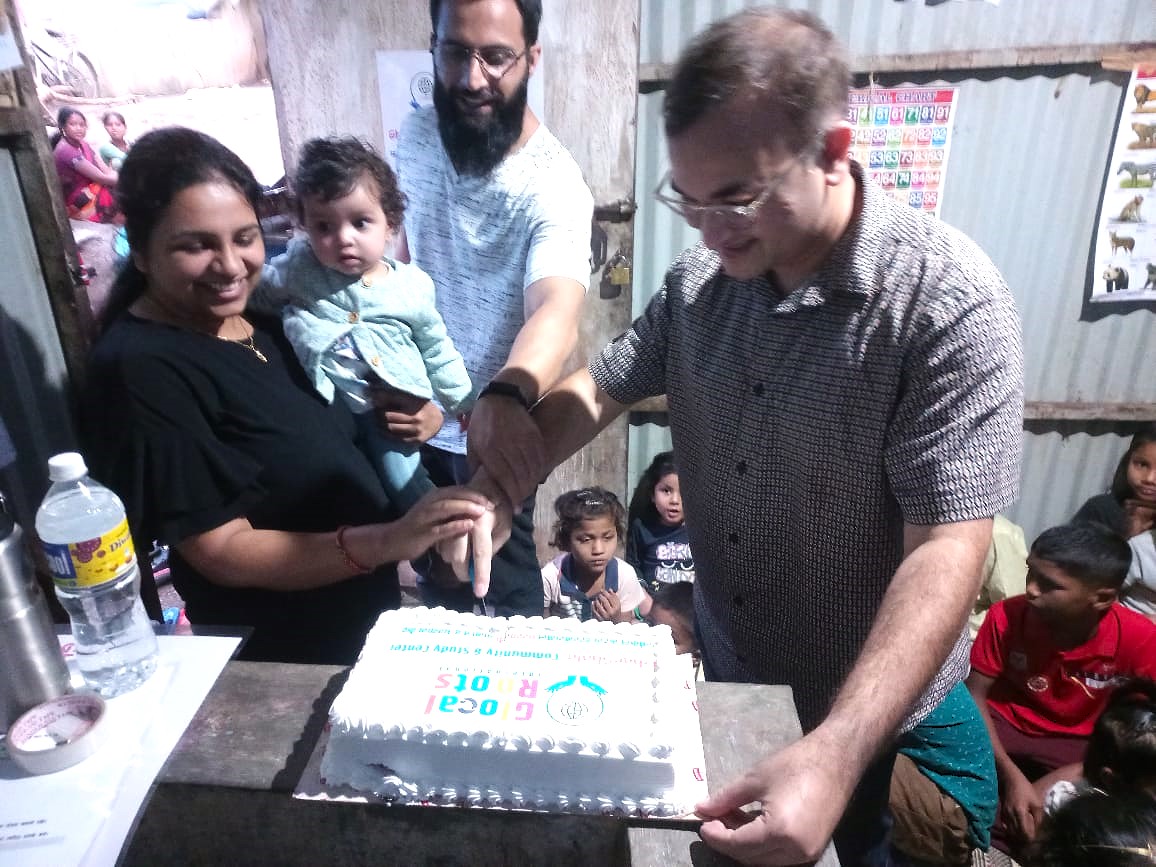
Although food security and the economy in India are improving, the world’s largest democracy still has a long way to go to tackle its high malnutrition rates. In the Global Hunger Index (GHI)’s 2023 report, India ranks 111th with a level of hunger as serious. Out of India’s 1.4 billion population, about 189 million people are estimated to face hunger. A Harvard study, published in the JAMA Network Open, estimates India has 6.7 million children going without food. India had by far the largest number of zero-food children (6.7 million), which is almost half of all zero-food children in the 92 countries included in this Harvard study. The prevalence of malnourished children in India who haven't eaten anything in 24 hours, also known as 'zero-food' children, is comparable to the prevalence rates in West African nations like Guinea, Benin, Liberia, and Mali. Extreme and widespread poverty, challenging and unreliable employment, poor health systems, rapid population growth, pockets of weak governance, climate change, and other social factors and inequalities related to ethnicity, caste, religion, and gender are contributing factors to adverse hunger-related issues in India.
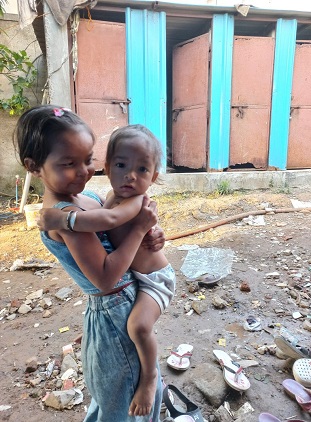
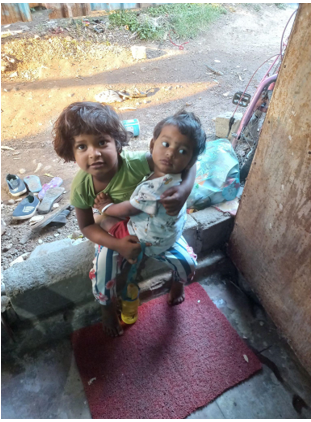
Malnutrition and anaemic bodies in women are visible in the community, which also affects pre- and post-natal as well as infant nourishment. Migrant status puts an additional workload on women for outside labor as well as domestic labor, which causes poor physical health.
To address food security-related issues, initiatives such as food distribution, provision of nutritious meals, and advocacy are implemented. For long-term sustainable hunger reduction programs, we aim to initiate kitchen gardens.
Impact: As unfortunate as it sounds, we have seen that including food for kids at GharShala increases attendance. Many children attend GharShala out of hunger. We strive to develop a system to monitor their nutritional needs and evaluate the difference in their malnourishment level with scientific methods moving forward.