
GESI- Gender Equality Social Inclusion
Mardanagi (Masculinity)
We work with the boys, too!
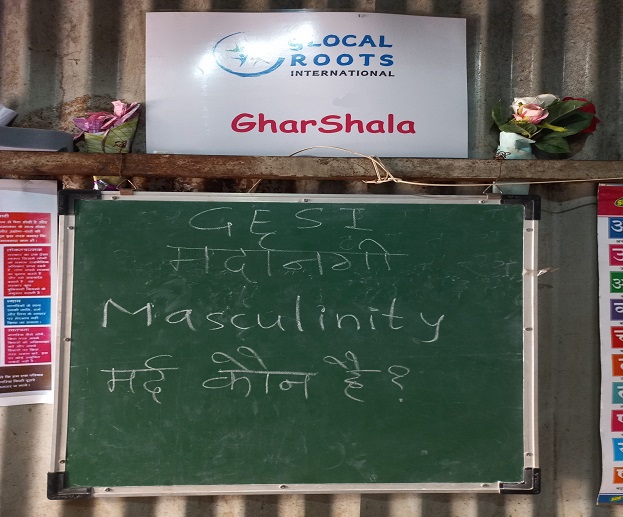
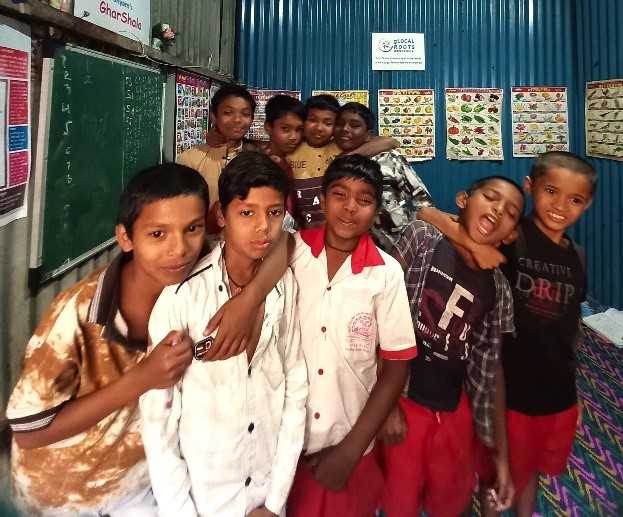
Our engagement in the community highlighted certain themes related to gender. First, severe disrespect for women, and second, they complained of being preferred and heavily emphasizing working with women. They felt left out, which then manifested as aggressive and protesting behaviours.
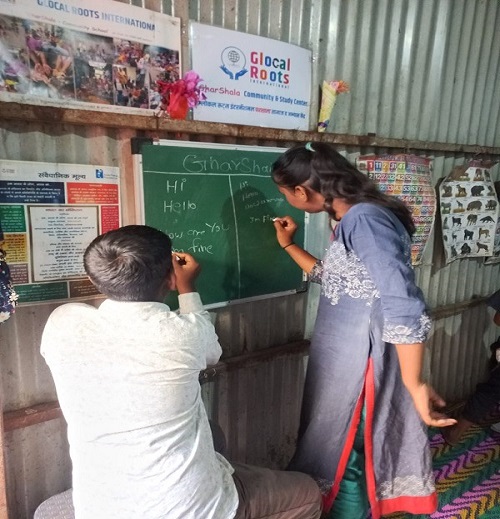
With our philosophy of a community needs-first, bottom-to-top approach, we got to work, and that’s how the program ‘Mardanagi’ (Masculinity) was born. Instead of taking it as a challenge, with our adaptable approach, we saw this as an opportunity and a cry for help from the male perspective, where they felt ‘small’ compared to their expanding and growing female counterparts due to a multitude of women's empowerment programs.
We work on the mindset and behavioural shift among the men and women under this program that mainly focuses on channeling personal to political.
This futuristic program is also based on data and research highlighting a deep gap between women’s empowerment and building strong women. At the same time, boys are left out within their old programming and mindset, which has led to imbalanced gender roles, demands, and modern familial issues in India.
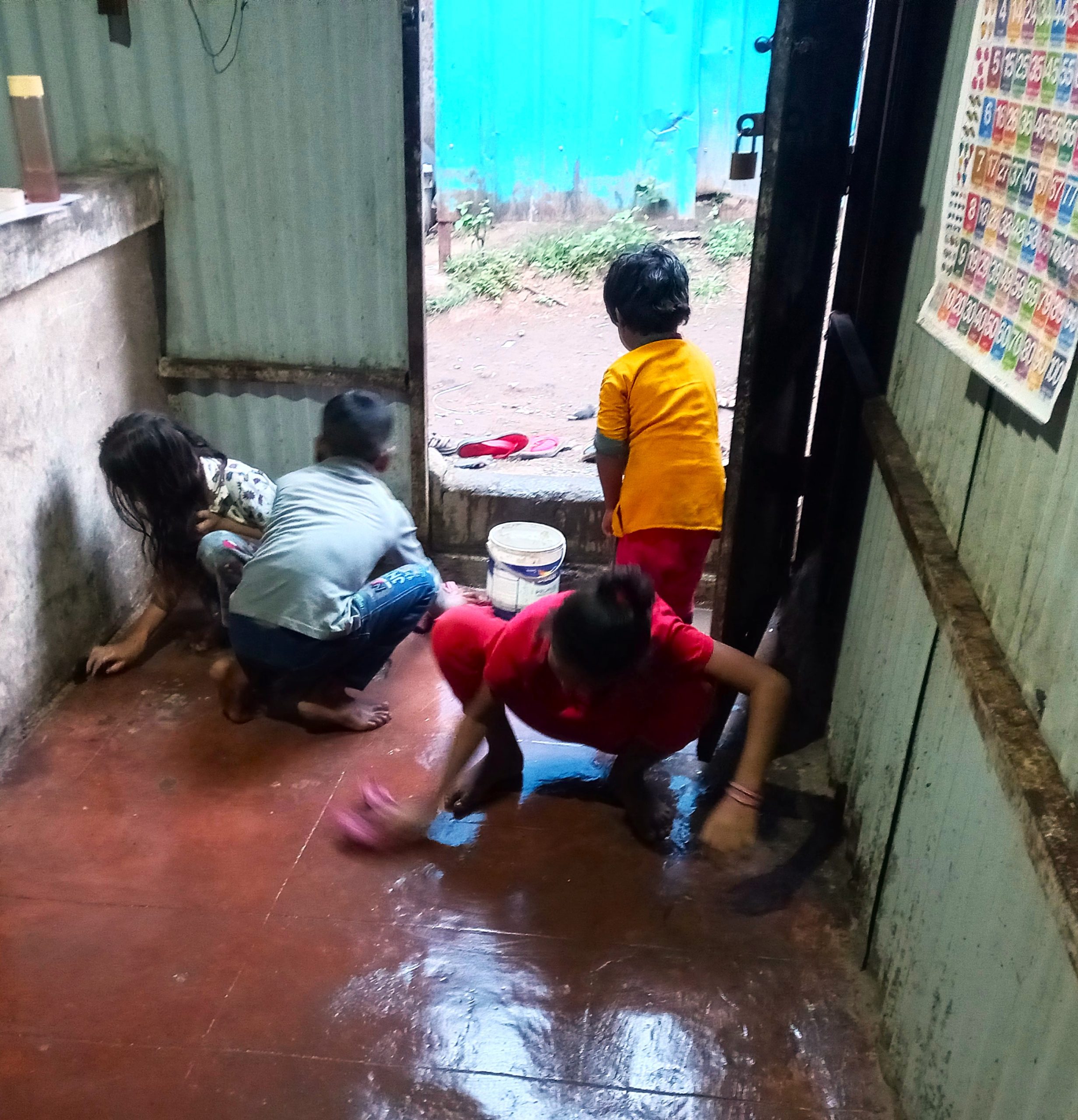
Impact: Our model has had an impact to the degree that boys have stopped using aggression against peer girls in the community center. They understand that women are not limited to domestic labor, but rather it is a care economy based on mutual love and respect between both genders. Children, especially boys who refused and disobeyed female teachers, throwing tantrums and occasional insults at them, eventually started respecting and listening to them. A woman as an authority was a new concept for children to adapt to. Female volunteers and guests as bosses at their workplaces changed children’s narrative of a woman. Boys who once refused to clean GharShala because ‘it was a girl's job’, started participating in cleaning and supporting girls in cleaning and maintaining GharShala. As cursing and usage of sexual language are banned at GharShala, it was a new concept for boys to be sensitive, self-reflective, and conscious about how their violence, anger, frustration, and interactions affect fellow girls.