
GharShala
Strengthening STEM, English, etc, core subjects to mitigate the school dropout ratio
Availability, access, and utility remain three main roadblocks to child education. Moreover, the majority of girl children drop out due to domestic needs, domestic labor, child labor, and child marriage.
Phase 1
At 75 years of Independence, many Indians lack access to fundamental amenities such as education. 'GharShala' acts as a complementary community resource study center dedicated for marginal children to make education available, accessible & fun..

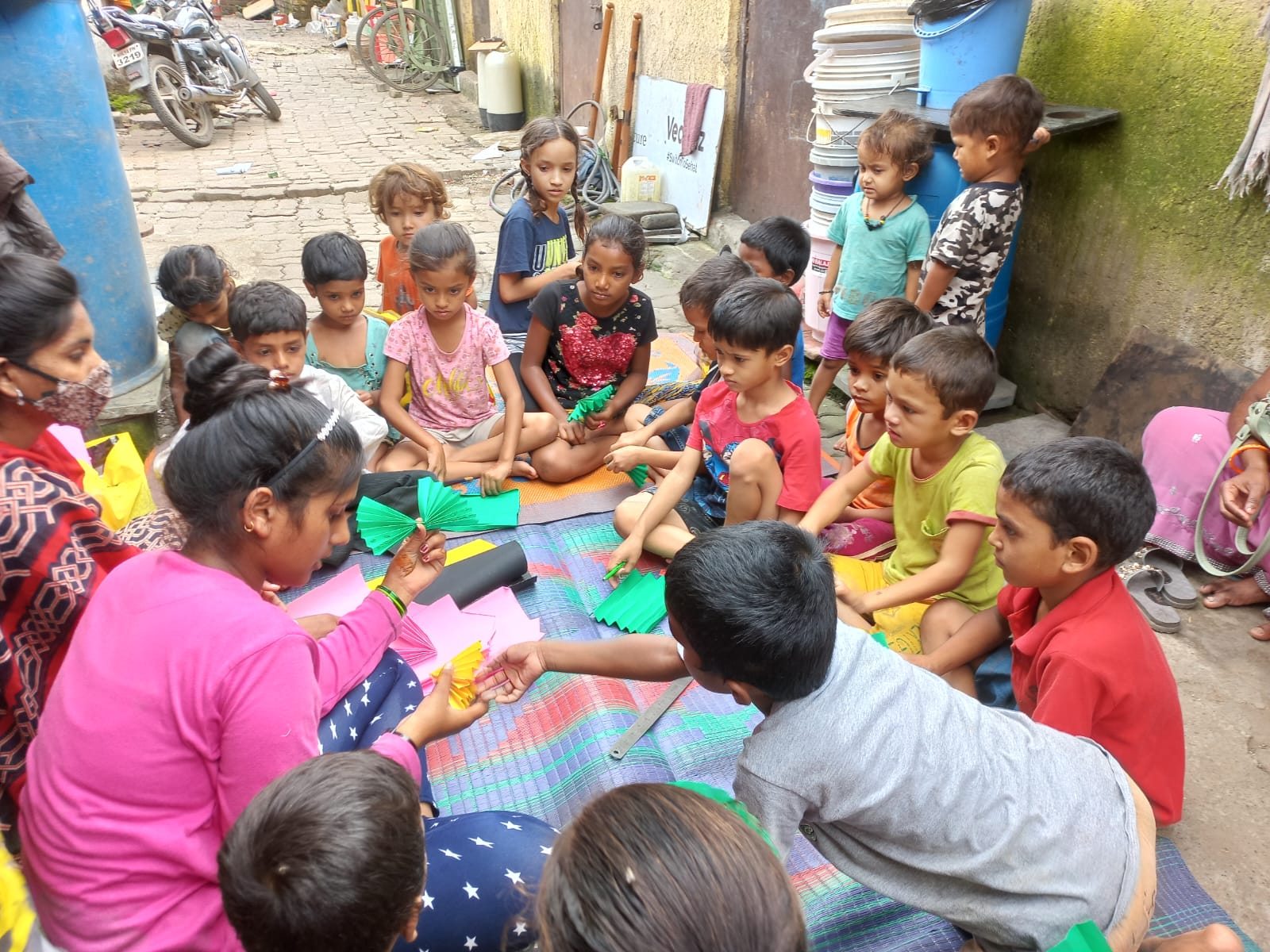
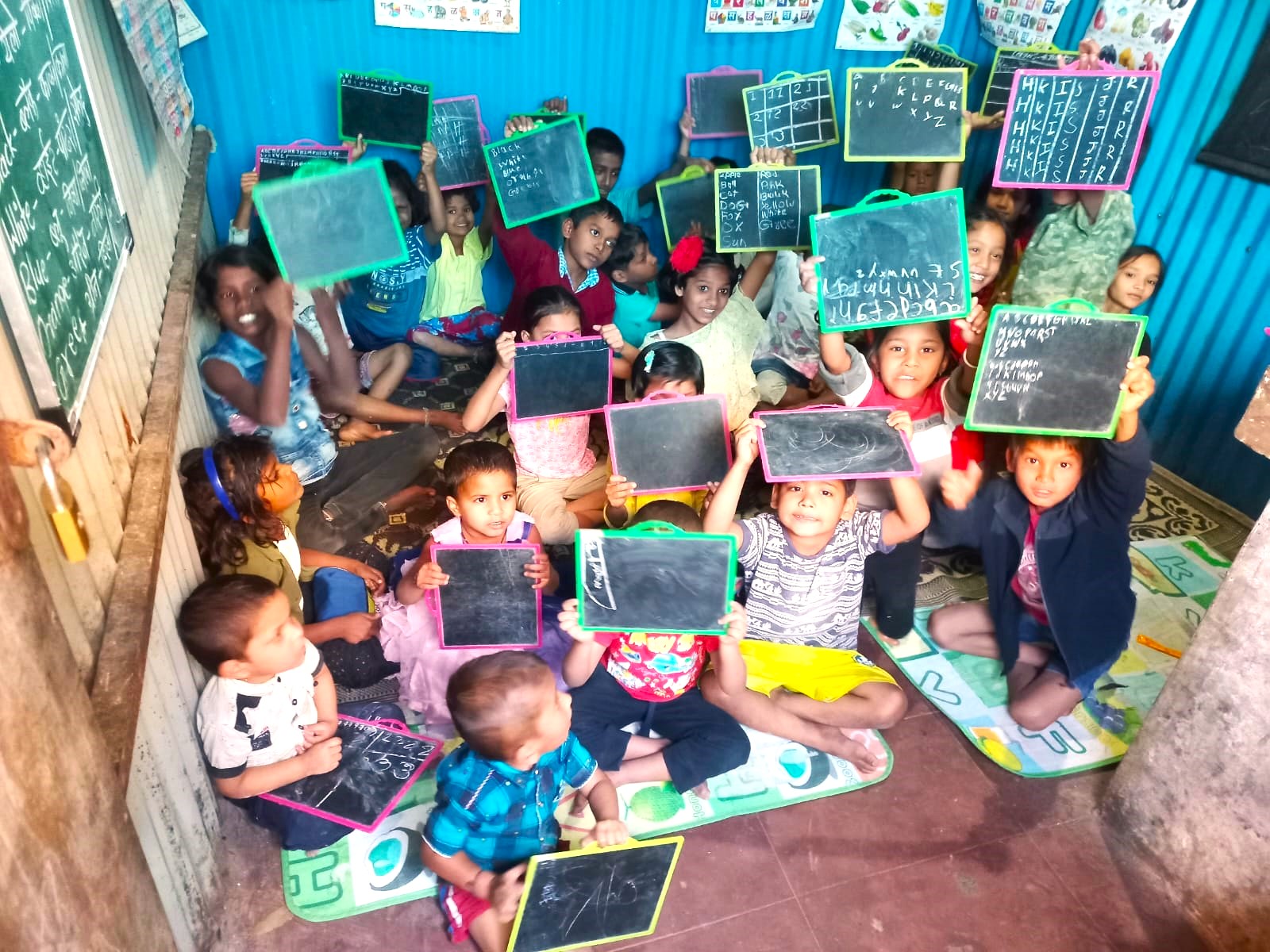
➤ Experiential learning
➤ English & STEM education, art & craft
➤ Numeric skills, linguistic speaking, reading & writing
➤ Soap, drinking water, slate, pencil, books etc provided
➤ 2 groups-0-4th std & 5th to 8th std including dropouts
➤ Meditation for improved concentration, focus & attention span
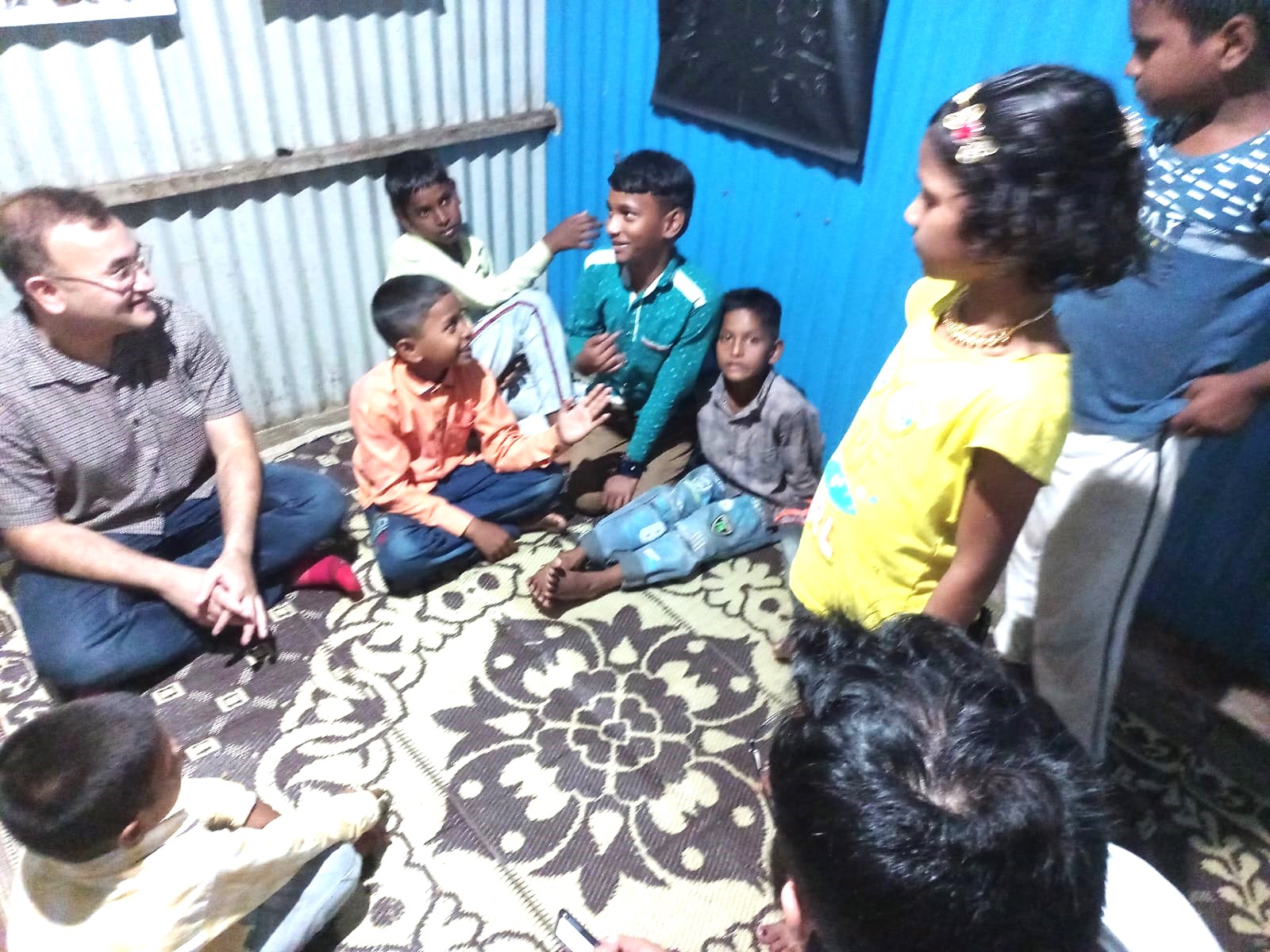
➤ Better mental health & interpersonal skills
➤ Gender parity through discourse & examples
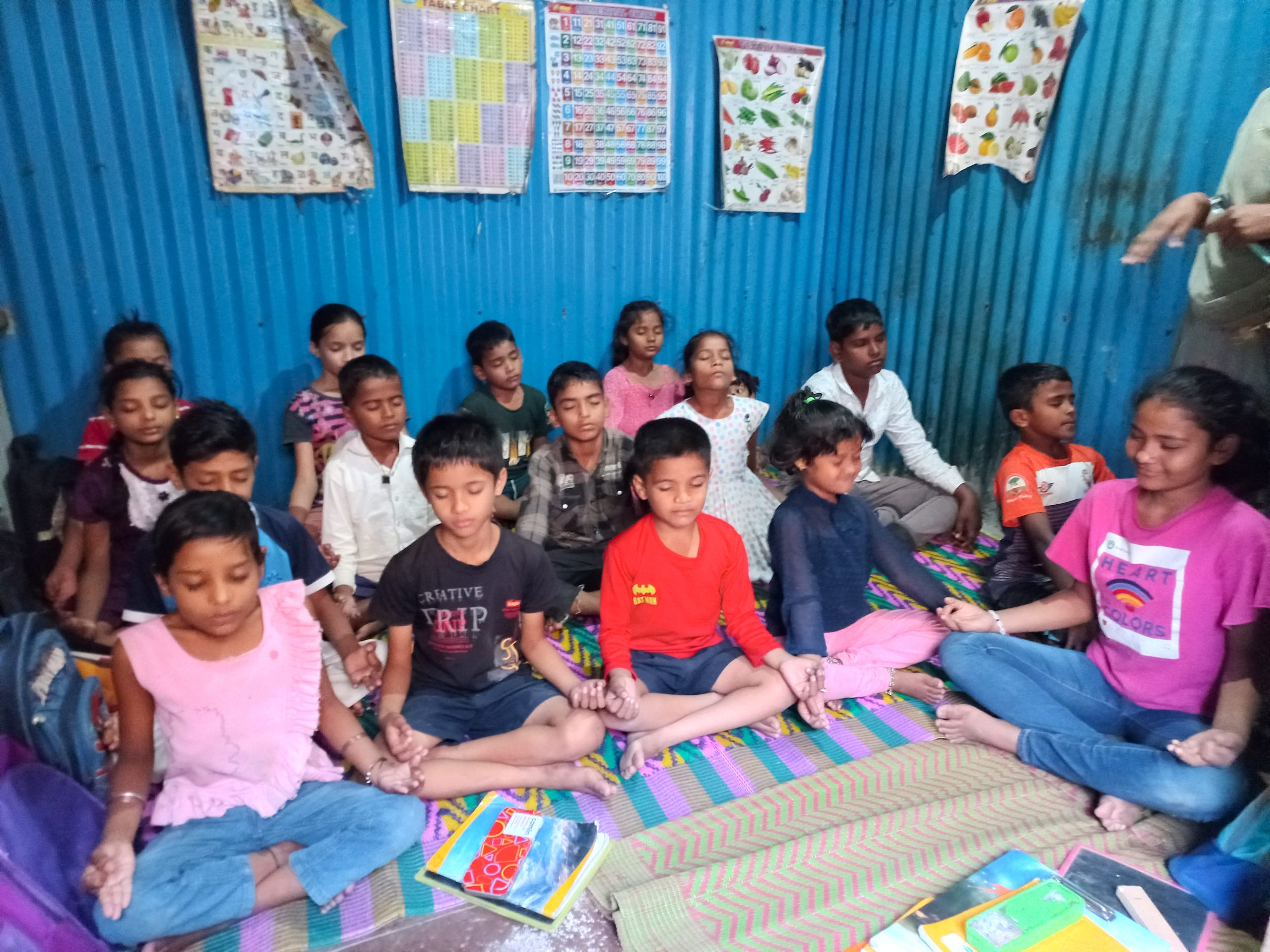
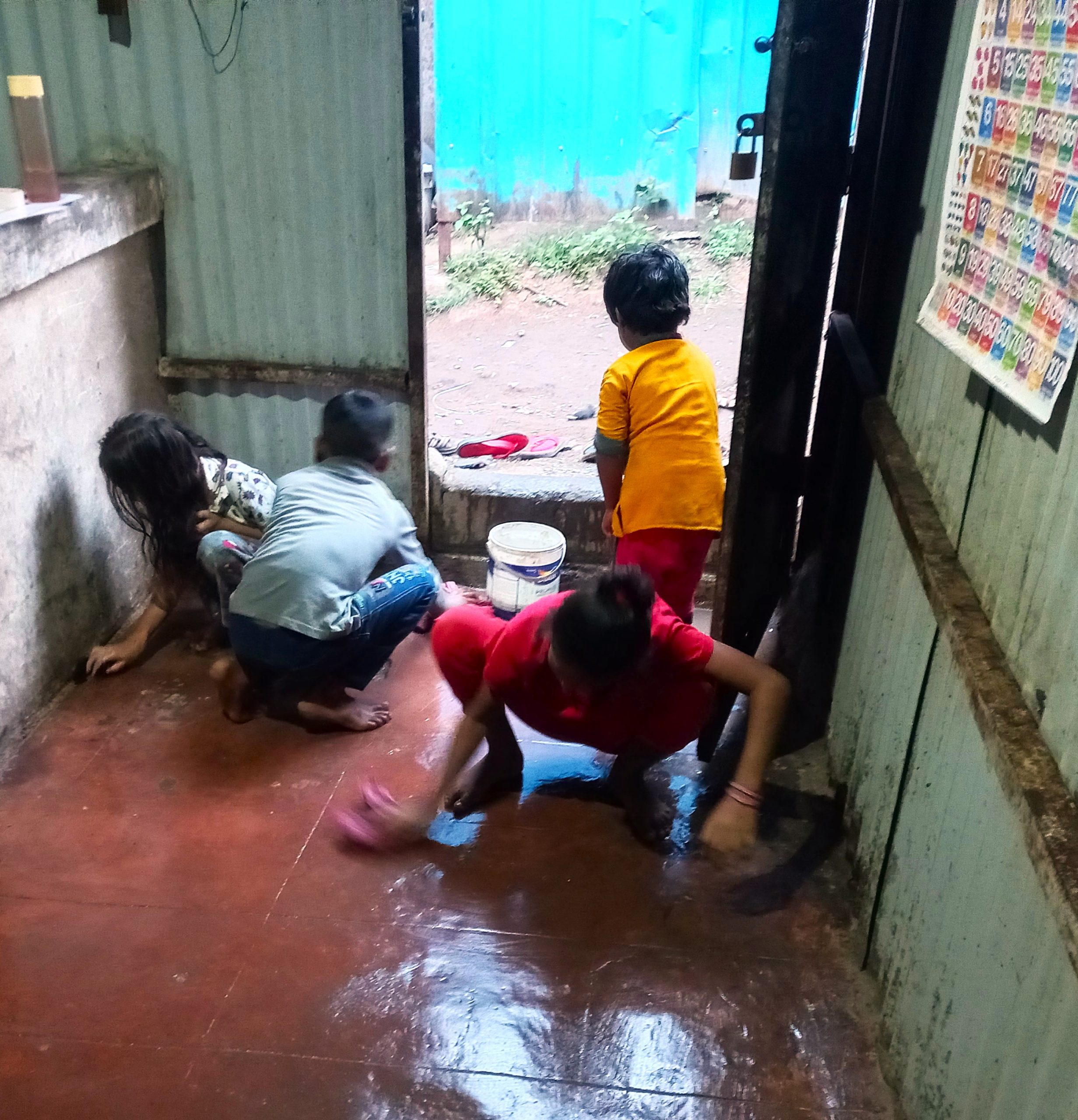
➤ Life skills- patience, resilience, respect, hygiene
➤ Children aren't allowed without clean washed hands, legs & face
➤ Children enjoy cleaning their study center
➤ Exposure to Indian geography, states, cities
➤ Constitution & diversity
➤ General Knowledge
➤ Periodic kid's movie screening
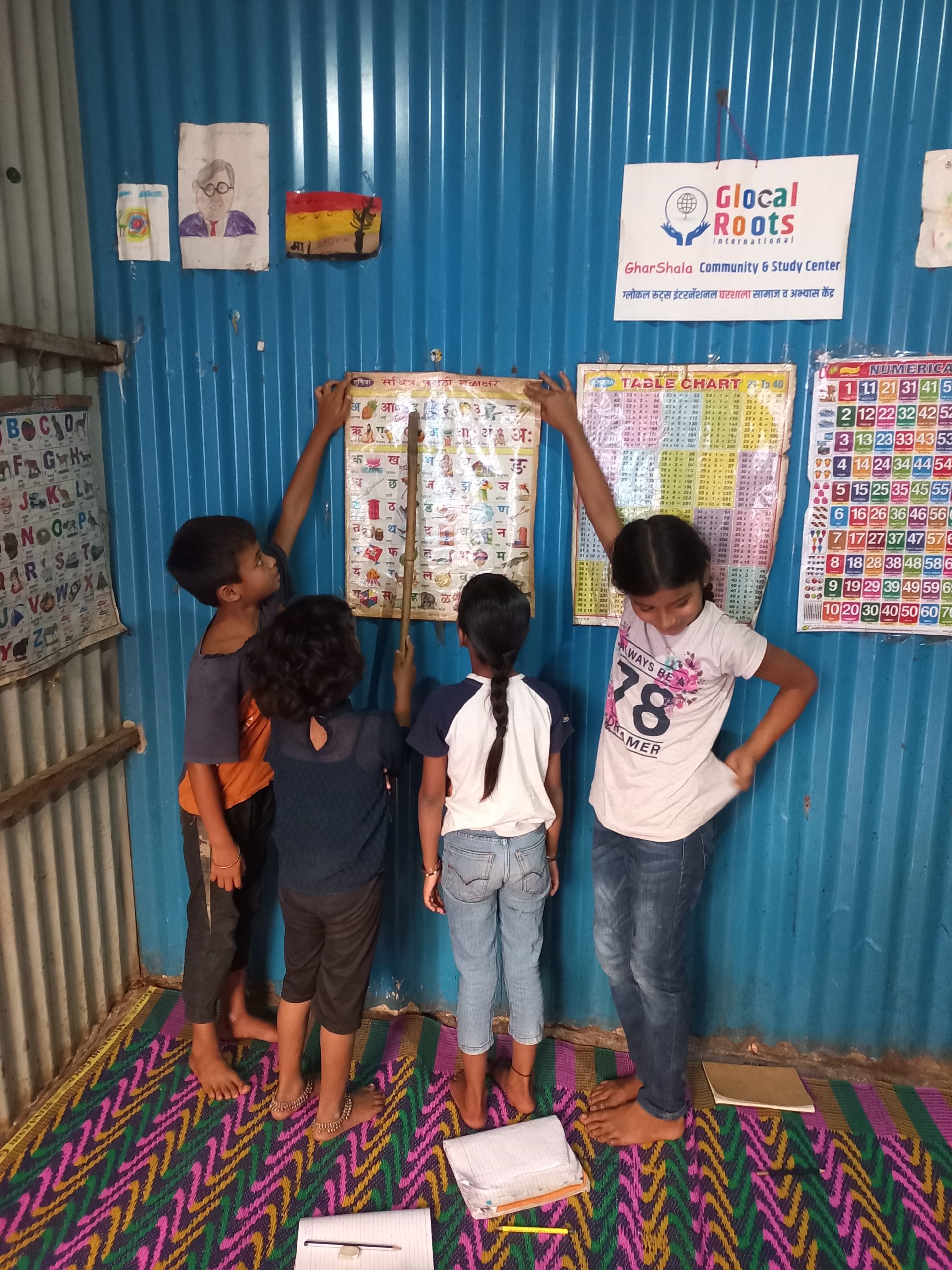
➤ Exposure to Indian geography, states, cities
➤ Constitution & diversity
➤ General Knowledge
➤ Periodic kid's movie screening
India has over 26% of its children aged between 0 and 14, according to the 2021 census. The National Statistics Office (NSO) reports that one out of every eight students enrolled in school or college drops out, with the majority, i.e., 62%, dropping out at the school level. Most children who drop out can be found in urban slums and rural areas. According to the 2023 Annual Status of Education Report (ASER), nearly one in three eighth-grade students cannot read at the level expected of a second-grader, and more than half cannot perform basic division. In an interview last year, Jaime Saavedra, the World Bank's Global Director for Education, said that "learning poverty" – which signifies a child's inability to achieve minimum reading proficiency and its correlation with the number of children out of school – increased from 54% to 70% after the Covid-19 pandemic, despite safeguards such as the Right to Education Act.
Phase 2
Creation of GharShala
a dedicated safe space for children in the community
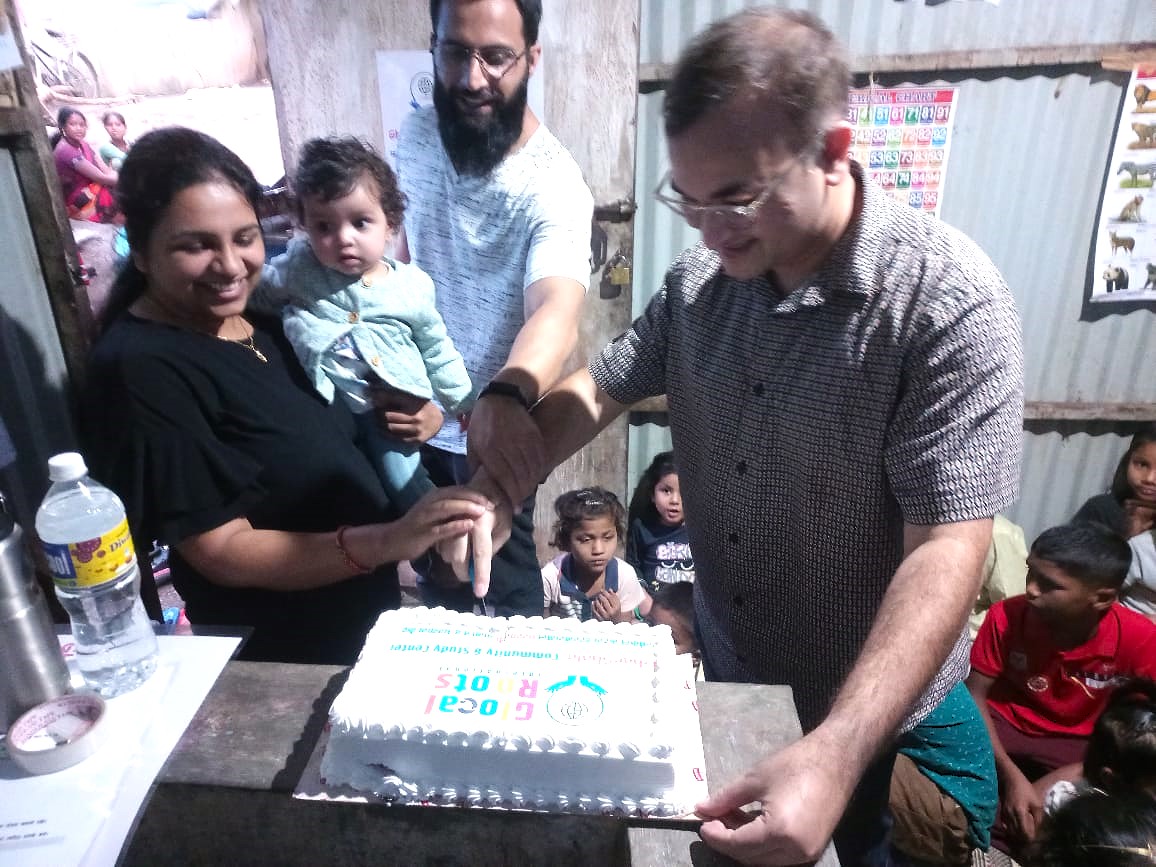

We identified these challenges for children at risk and decided that if children can’t reach the school due to numerous adversities, we can take the school to their doorstep. We aim to bridge the learning poverty gap by providing education, with a special focus on STEM and languages, so that no adversity can inhibit them from accessing their fundamental right to education and learning.

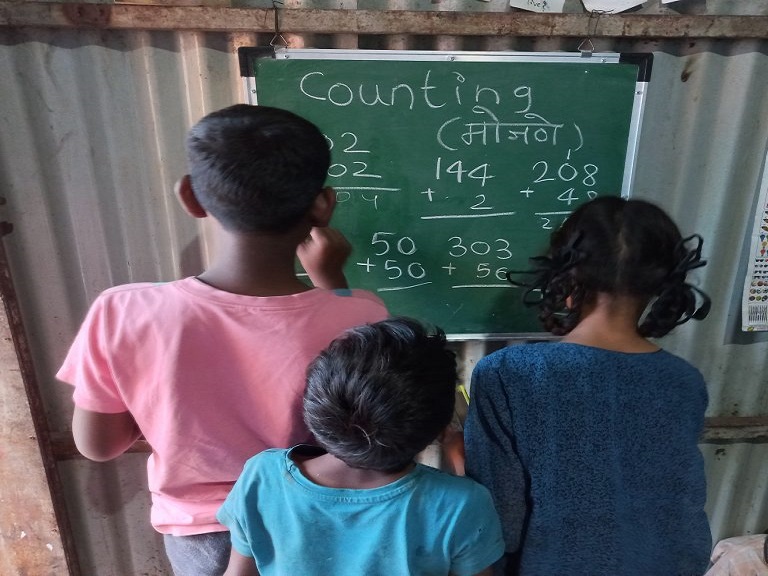
Providing children at risk with extra help to bring them back into the education stream is imperative. Assisting them with additional support in subjects they find challenging, such as English, Mathematics, Science, and languages, remains a consistent challenge. We conduct exposure visits to the child-friendly places, gardens, and study tours as and when possible for children.
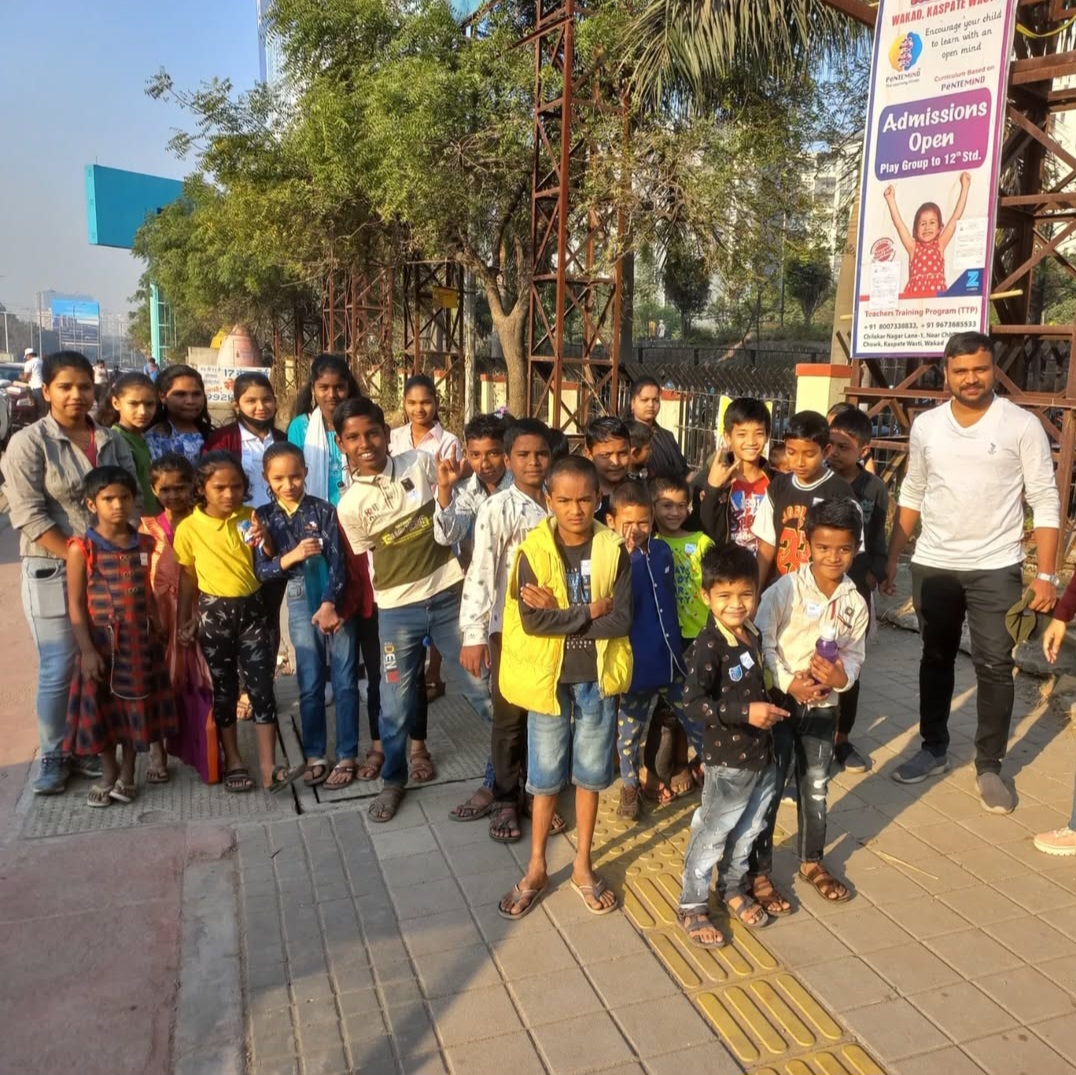
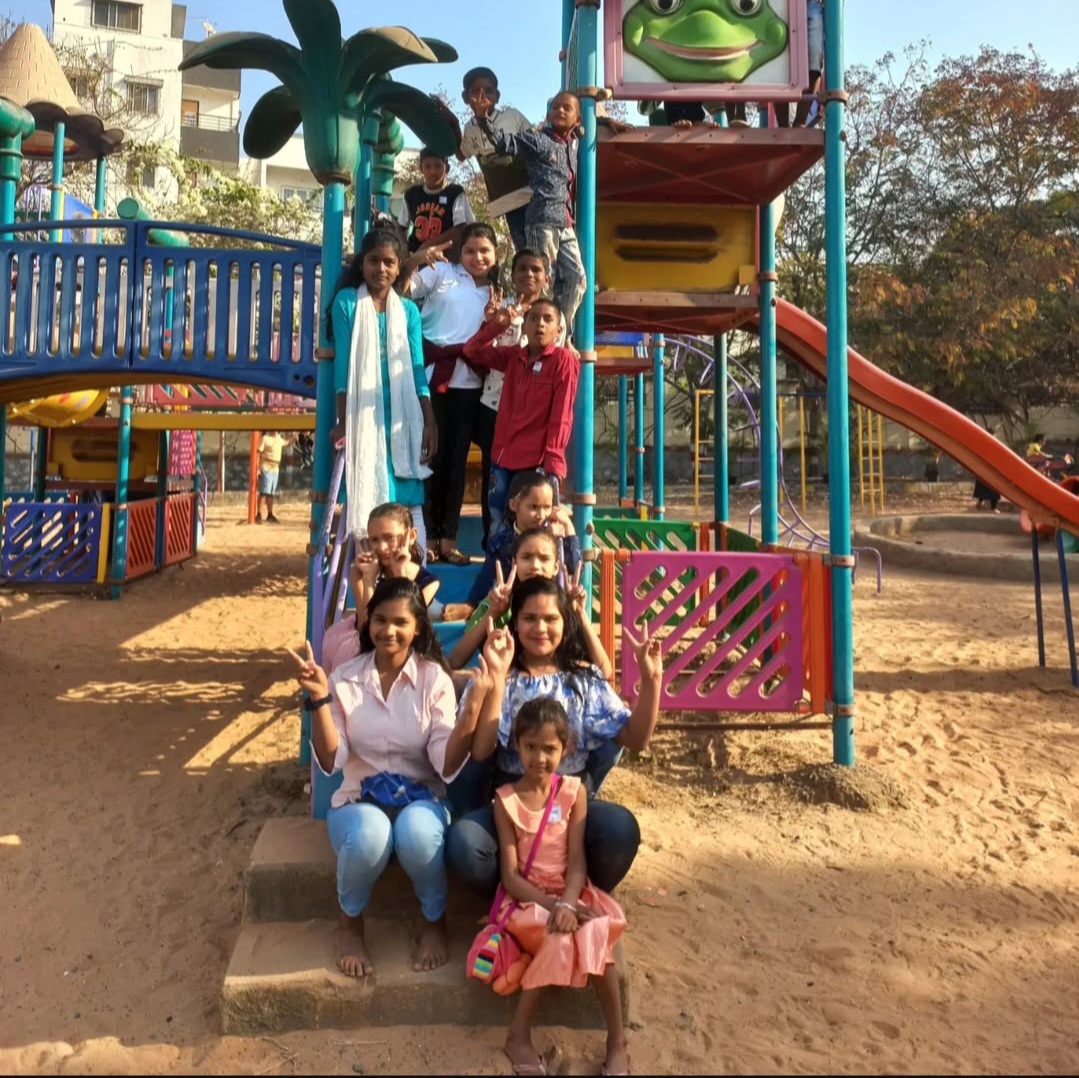

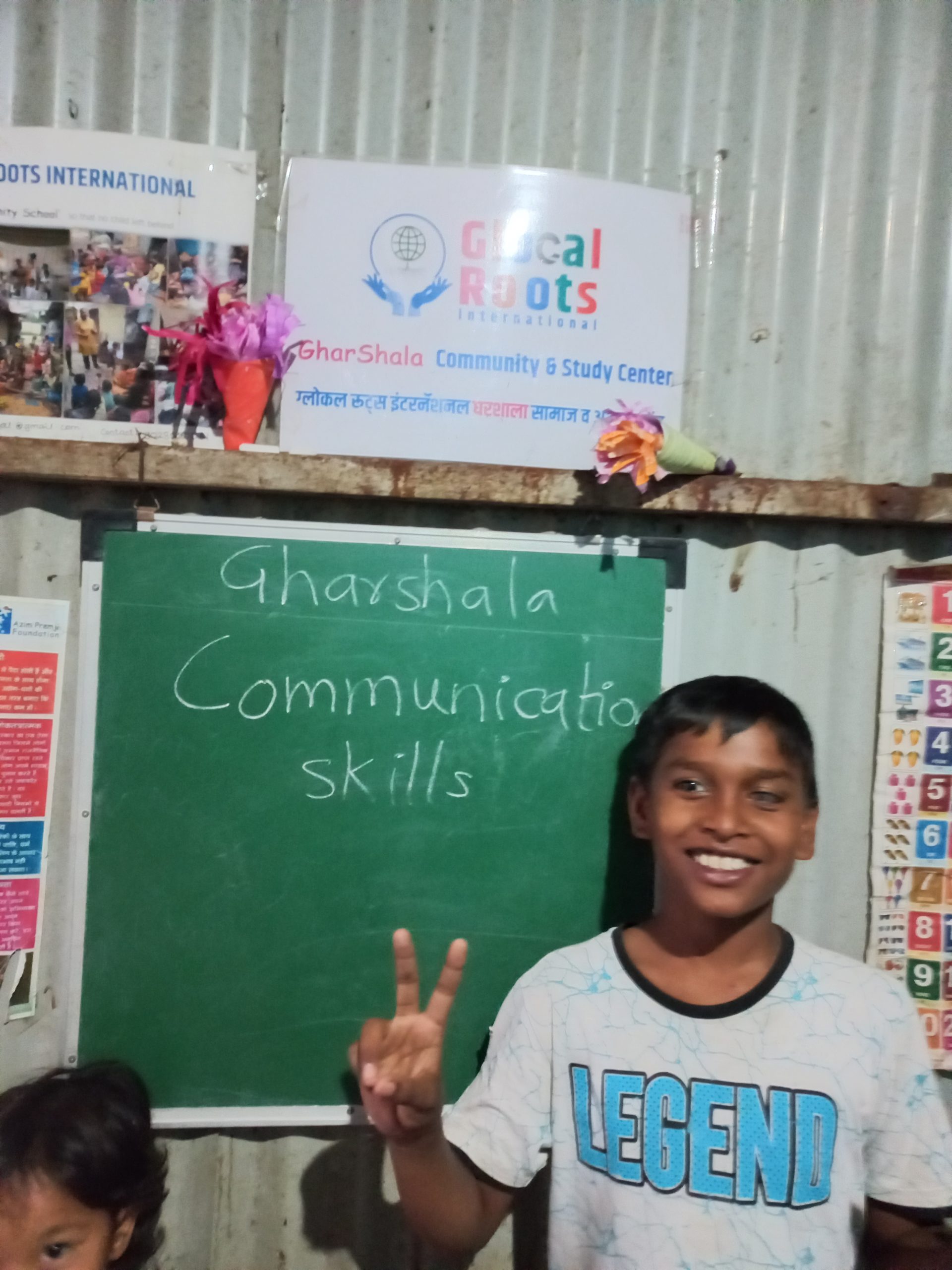
We also conduct soft skills, communication skills, social skills, sanitation, and personal hygiene etc, trainings at GharShala, given that these children have no role models, guidance, or any support system at home.
Along with our quarterly movie screenings on kids' movies, documentaries, and social learning films, our periodic parent meetings to involve parents in their children’s educational journey play a crucial role in child development. We inform parents of the progress of their children and the challenges they faced. We give them tools and techniques to participate in children’s lives more positively despite their circumstances and personal challenges.
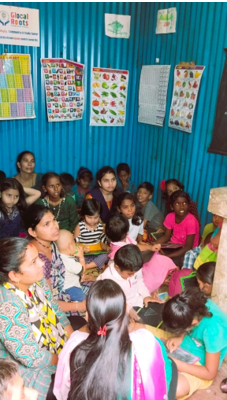
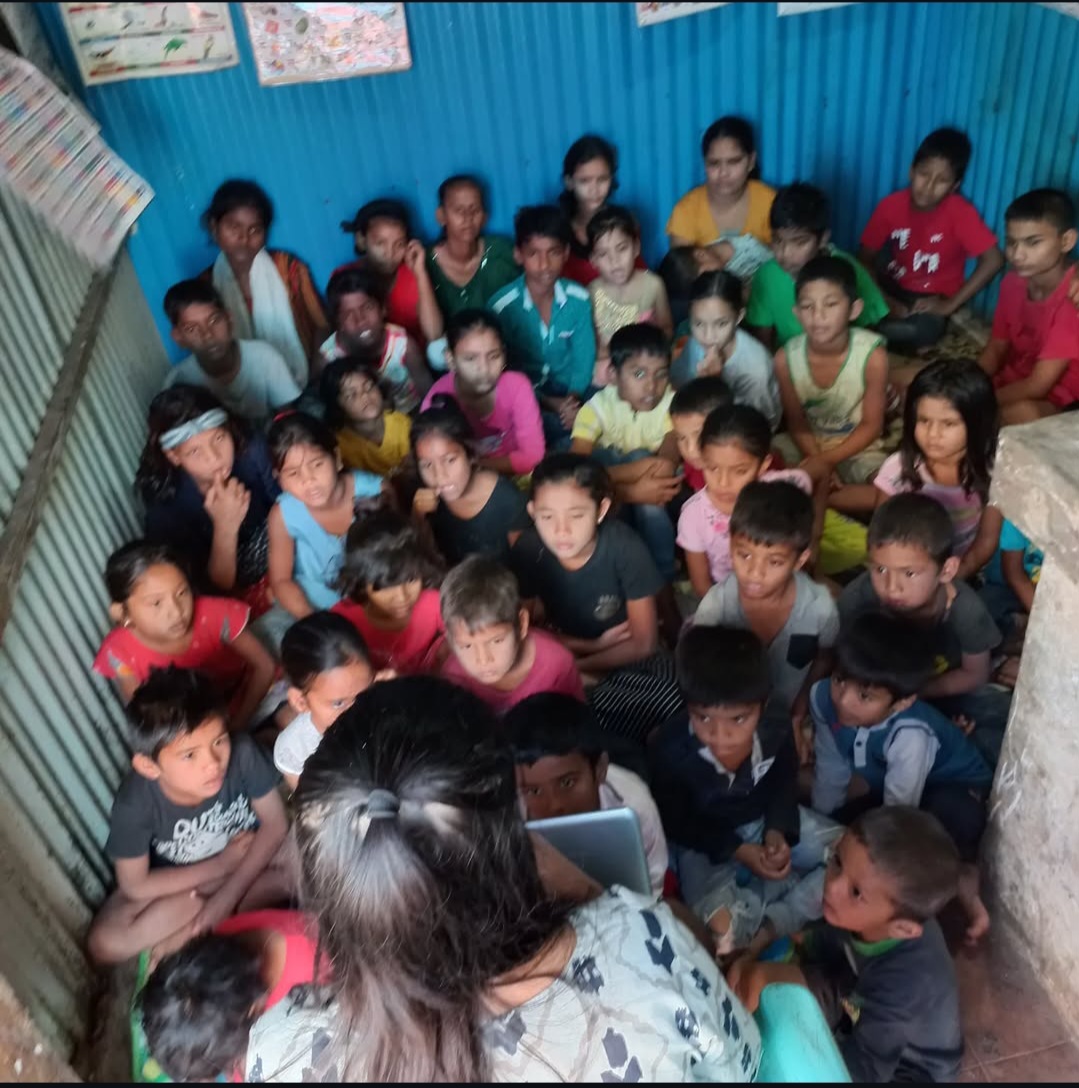
Impact: GharShala has reached about 200 children over the period of 2 years, with 30% children rotating due to being immigrant or seasonal labourer families. About 70% of dropped-out children re-enrolled in their formal schools after the intervention of GharShala, as their basic concepts in core subjects and languages strengthened. With boosted confidence, they could return to the school to participate and not be mocked for being left behind. 5 children were enrolled in government schools and 3 to private schools by their parents, seeing their progress.