
I Heal
Mental health program for children at risk.

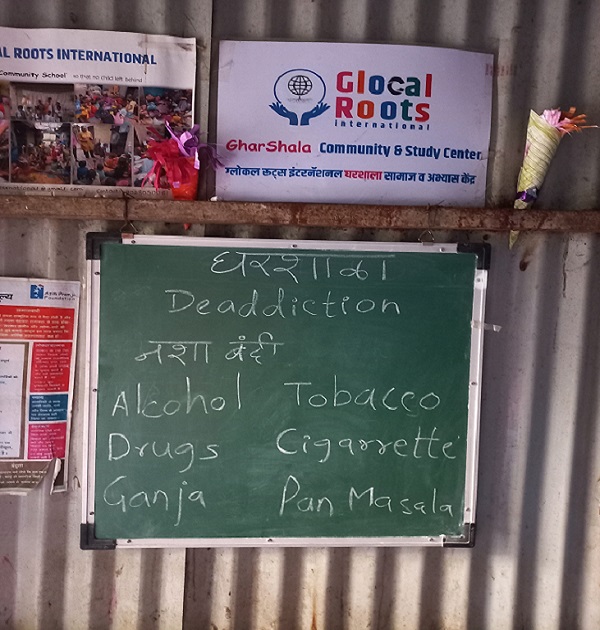
Given the volatility of circumstances around the children we work with, they go through astronomical stress since childhood due to a lack of stable, secure, child-friendly environments around them. Not mere domestic violence, but child abuse and severe physical, mental, and emotional violence directly at the hands of their parents, is common due to addiction. Poverty, illiteracy, gender-based violence, and overall instability of the parents.
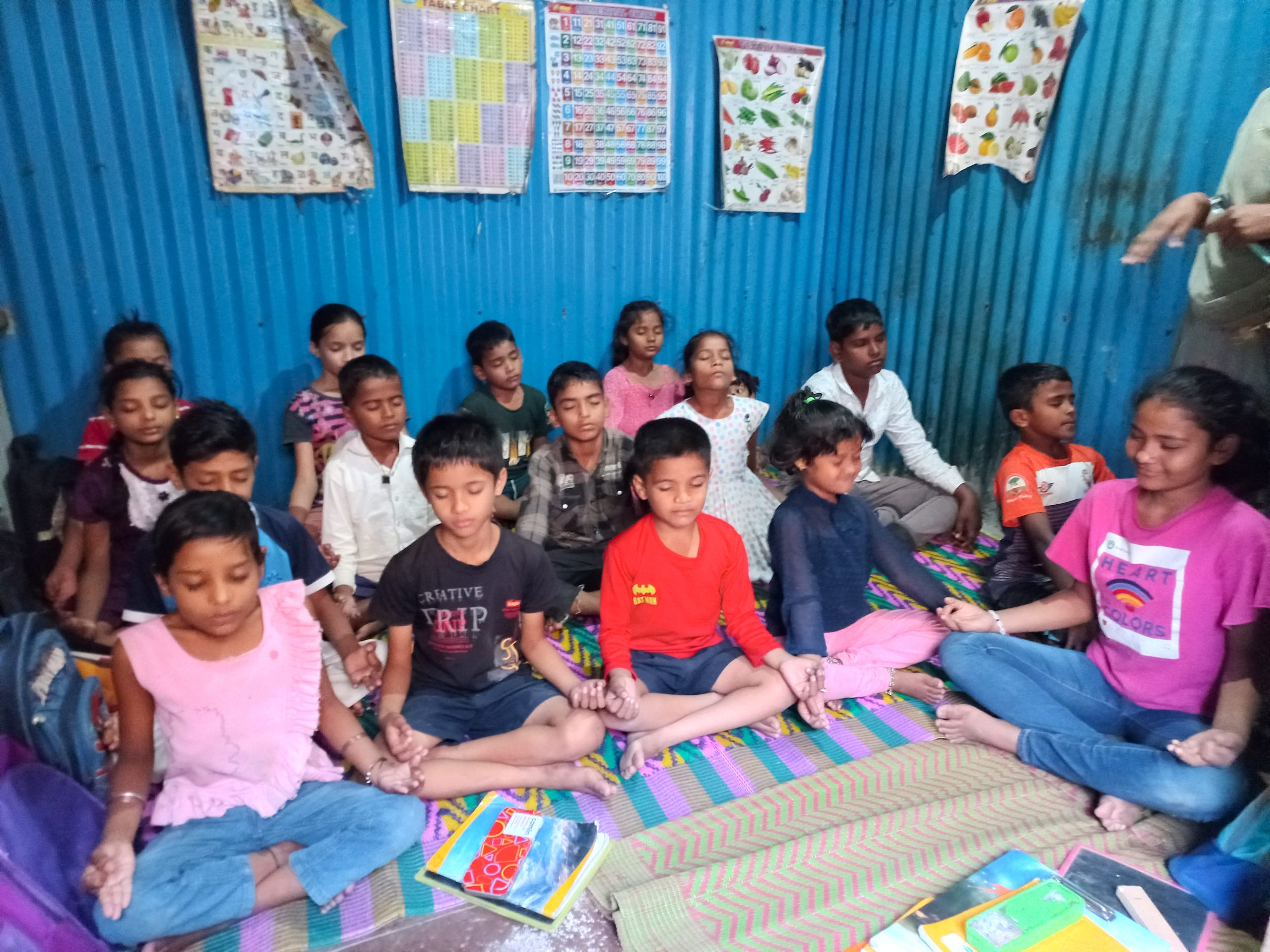
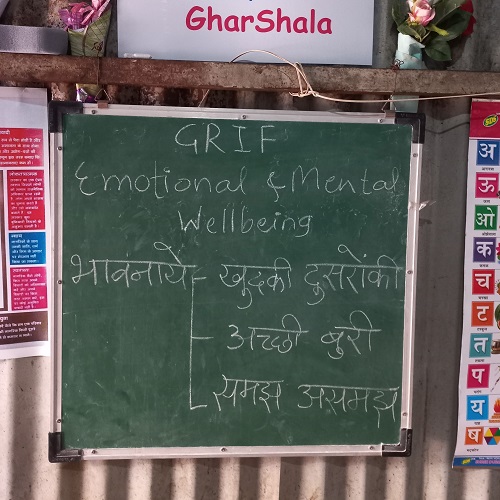
We conduct daily meditation, periodic Art therapy, music therapy, dance therapy, stress ball techniques, noise cancellation techniques, communication skills, speaking skills, empathy games, storytelling, listening skills, and vital self-love practices such as daily affirmations before leaving. The goal is to avoid othering of children and teach them to be safe in their own bodies.
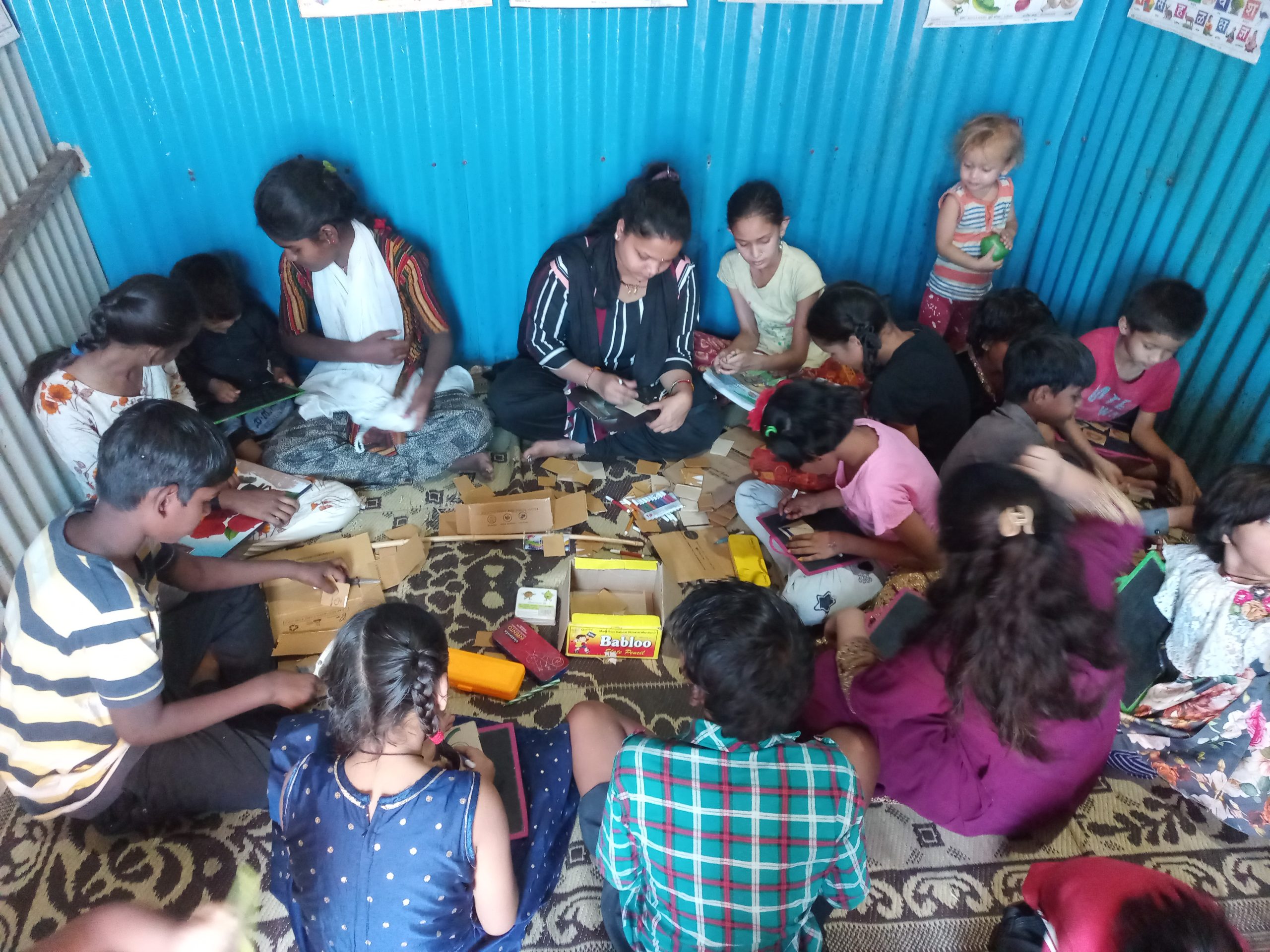

Our mental health initiative bears positive results affecting children’s behaviors reflected in their attendance, attention span, communication skills, emotional health, improved learning disabilities, and interpersonal relationships.
Impact: One of the most neglected and undermined issues of children at risk is their emotional and mental well-being. Our I Heal program has witnessed positive and negative effects of discourse and work on the mental health of children. Positive for children are heard and provided the required support, and negative, as they become aware, they take their awareness at home and may not find a welcoming ambience for their aware state. In our observation, most children have some or other learning challenges/disabilities. It is easy to discard them as being stubborn, notorious, or aggressive when they could be really struggling simply emotionally, mentally, and neuro-psychologically. One of many such examples is Pallavi (the poster girl), aged 6, who was left by her parents in foster care and shelter homes being only to be returned for being erratic, violent, mute, and dumb. All she needed was a little more patience, anxiety-reducing skills, inclusion, and understanding from peers. Within 3 months, not only was Pallavi sitting on her own in the class, learning the alphabet, but actively participating in social events. Empathy does matter.